
Eating Well as an International Student in Korea (Without Going Broke)
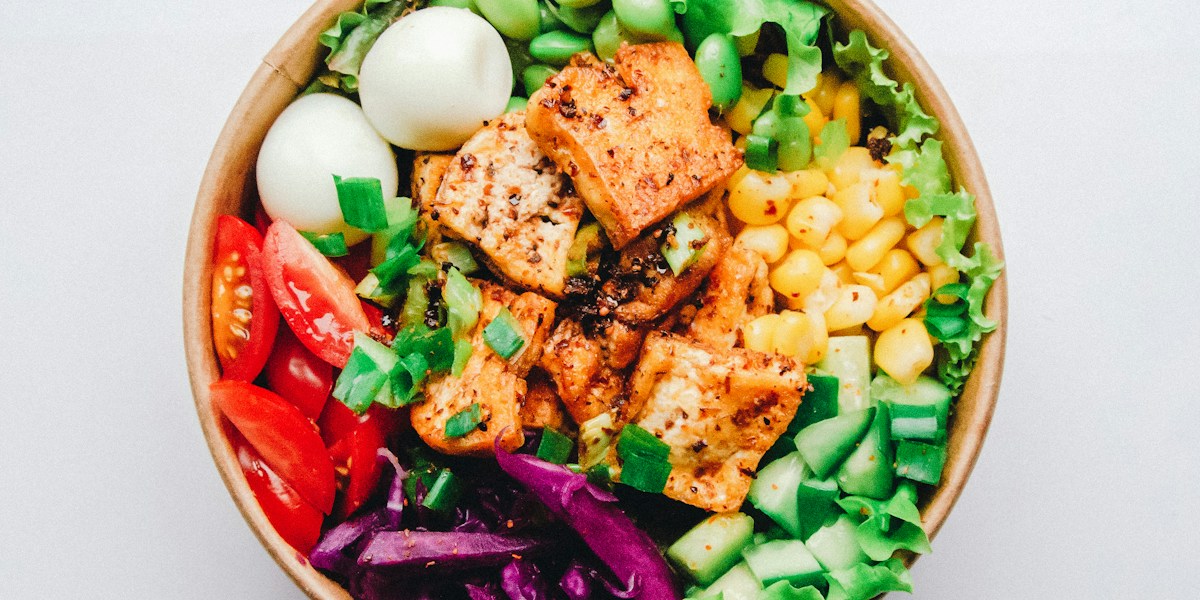
A realistic breakdown of campus cafeterias, the midnight convenience store circuit, navigating solo dining hurdles, and avoiding hidden pork broth.
The smell of toasted sesame oil and simmering radish broth hits you before you even push open the heavy double doors of the student union basement. For anyone arriving in Korea on a modest student stipend, food is both the greatest everyday pleasure and an immediate logistical puzzle. You quickly discover that dining well has little to do with expensive restaurants and everything to do with understanding how campus cafeterias, local alley joints, and convenience stores function.
The Campus Cafeteria (Haksik)
Every university campus operates at least two or three student cafeterias, universally referred to as haksik (학식). These are not corporate food courts with inflated prices. They are subsidized dining halls designed to feed undergraduates nutritious, filling meals for ₩4,500 to ₩6,500 per tray.
The ordering process is straightforward once you do it once:
- Approach the automated kiosk machine by the entrance doors. Most kiosks offer an English interface toggle in the top-right corner.
- Select your set: Menu A is usually a hearty Korean stew or stir-fry (such as jeyuk bokkeum spicy pork or kimchi jjigae), while Menu B is often a Western or fusion option like pork cutlet (donkkaseu) or omurice.
- Pay with your local bank card or T-money card. The kiosk prints a small paper slip with your meal number.
- Walk up to the metal serving counter, grab a stainless steel tray, and collect your dishes.
The food tray features stamped compartments: a mound of sticky short-grain white or purple rice, a piping hot bowl of soup, the main protein, and side dishes (banchan). Side dishes like fresh baechu kimchi, yellow pickled radish (danmuji), and seasoned soybean sprouts (kongnamul) are self-serve and unlimited at the central refill carts. When you finish eating, carry your tray to the conveyor belt disposal station, scrape food remnants into the designated bin, and place your chopsticks into the sanitizing tray.
In your first month, you will tear at least three triangular kimbap sheets in half before mastering the exact three-stage pull sequence on the plastic wrapper.
The Convenience Store Survival Kit
Korean convenience stores (pyeon-uijeom, 편의점), primarily GS25, CU, and 7-Eleven, are community living rooms. During midterm exam weeks, they are filled with students hunched over laptop screens at 2:00 AM, surrounded by microwave steam and instant noodle cups.
The undisputed king of budget sustenance is samgak-kimbap (삼각김밥), the triangular rice ball wrapped in roasted seaweed. Priced between ₩1,200 and ₩1,600, two of these plus a carton of banana milk make a full breakfast for under ₩4,500. The tuna mayonnaise (chamchi mayo) and spicy Jeonju bibimbap varieties are the most reliable choices. Opening them requires technique: pull strip number one down the middle, then gently slide corners two and three outward. Pulling the plastic too aggressively shreds the crisp seaweed into soggy flakes.
For hot lunches, pre-packaged bento boxes (dosirak) cost between ₩4,800 and ₩5,800. They include rice, rolled omelet, bulgogi, and fried dumplings. The store clerk will point to the row of industrial microwaves along the window counter. Press the two-minute button, grab a set of wooden chopsticks from the rack, and eat right at the window counter overlooking the street.
The Solo Dining Wall: Honbap Culture
Korea has made great strides with honbap (혼밥, eating alone), especially around university districts like Sinchon, Hyehwa, and Anam. Fast-casual noodle counters and Japanese curry shops often feature single-person booths equipped with private phone charging plugs.
However, traditional communal restaurants remain resistant to solo diners. If you walk into an authentic Korean barbecue house (samgyeopsal) or a spicy chicken stir-fry spot (dakgalbi) by yourself at 7:00 PM on a Friday, the server will frequently raise two fingers and apologize, stating there is a mandatory two-portion minimum (2-inbun, 2인분). You can still dine there if you are willing to pay for two full adult portions, but sitting alone with two sizzling iron skillets in a bustling dining room can feel awkward. For solo evenings, stick to neighborhood baekban (백반) restaurants, where grandmother cooks serve a rotating home-cooked meal with seven side dishes for ₩8,000.
Dietary Restrictions: The Hidden Broth Problem
Navigating dietary restrictions in Korea requires vigilance. Meat broth, particularly pork (dwaeji yuksu) and anchovy (myeolchi yuksu), is the foundational base of almost all stews, sauces, and noodle soups.
If you are vegetarian, vegan, or eat strictly Halal:
- Kimchi is almost never strictly vegetarian. Traditional fermentation relies on salted shrimp (saeujeot) or fermented anchovy fish sauce (myeolchi aekjeot).
- Tofu stew (sundubu jjigae) often contains ground pork or tiny clams hidden beneath the red chili oil even when the menu lists it simply as soft tofu stew.
- Learn the crucial phrase: "Gogi ppaego mandureo jusil su innayo?" (Can you make this without meat?) and look for ingredients labeled "dwaejigogi ham-yu" (돼지고기 함유, contains pork) on packaged snacks.
Keep a stock of your favorite staple spices and sauces from home. Itaewon in Seoul and the areas surrounding major universities host foreign grocery markets where you can find Halal poultry, lentils, and familiar comfort foods.
Late in the semester, when project deadlines pile up and the autumn air turns crisp, you will sit on a plastic stool outside a street tent near the subway exit. As the vendor scoops steaming fishcake broth into a paper cup and hands you a skewer of tteokbokki for ₩3,500, the language barrier recedes. You eat, you listen to the chatter around you, and the city feels surprisingly welcoming.
Study and Work Abroad
Apply now for top countries with work options and upcoming intake deadlines approaching!
Sources & verification
Visa and work rules can change. Before applying, verify the latest requirements from official immigration, government and university sources.
- Official immigration and government student visa pages.
- University admissions pages for programme-specific requirements.
- Scholarship portals and education ministry resources.
Related articles

The Practical Guide to University Dorms and Housing in Korea
What living in a Korean university dormitory actually looks like, from the mandatory TB chest X-ray and midnight curfews to ondol floor heating wars and the reality of roommate roulette.

The No-Nonsense Guide to Navigating Korean Transit on a Student Budget
How the transit transfer discount system works, why Google Maps fails in Korea, which transport cards to buy, and the survival rules of Seoul city buses.
Tags:
Written By
Ji-won Park
Study Abroad Expert
A seasoned education content writer with expertise in study abroad, admissions and international student guidance.